

More landlords are switching to PadSplit. But what is it? Here’s everything to know, including why coliving has become the most talked-about strategy in 2026.
Key Takeaways
- PadSplit works with property owners/real estate investors to create room rentals in single-family homes to meet the immediate, growing demand for affordable housing nationwide.
- A coliving renovation transforms a home’s unused or underused rooms into additional private bedrooms (think living rooms, formal dining rooms).
- Property owners can earn 2.5 times more with PadSplit than by renting properties as single-family homes or through short-term rental platforms.
- Hosting with PadSplit has a learning curve, but you won’t navigate it alone. Between an experienced Host Advisor, dedicated support team, and a deep library of resources, PadSplit gives property owners what they need to get up to speed, reduce friction, and maximize rental income.
- Financing options are available for investors who don’t yet own a suitable coliving property but want to adopt PadSplit’s approach to generating revenue while providing affordable housing solutions. There are also financing options for hosts who already own a property but don’t have the funds to renovate and furnish it.
As you read this, the rules of real estate wealth-building are being rewritten. Rental properties have long been the cornerstone of serious investment portfolios, but traditional single-family and short-term rentals are showing their limits: volatile markets, unpredictable occupancy, shrinking margins.
The old playbook is no longer realistic or profitable, and it’s time to pivot.
PadSplit’s coliving model gives investors a powerful new edge—dramatically higher rental revenue, and a direct stake in solving America’s most urgent housing crisis.
What is a PadSplit home?
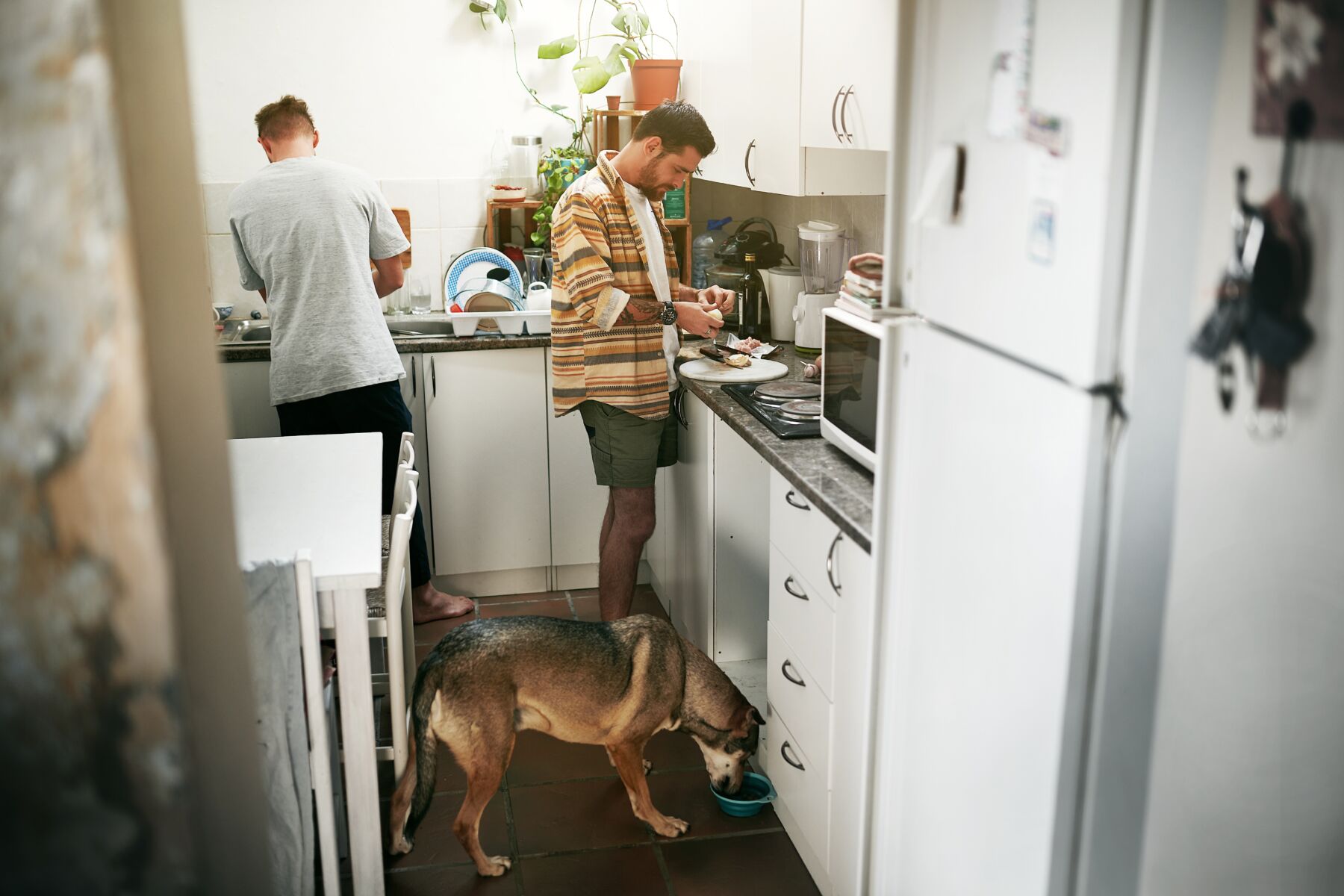
PadSplit helps property owners augment their properties’ rental incomes while providing affordable housing to renters through its room-rental model.
PadSplit uses a coliving approach to convert unused or underused spaces in single-family homes into additional furnished bedrooms. Room-by-room renting unlocks significantly higher income than traditional leases. Every PadSplit host is also helping address one of the most pressing issues in their community: the shortage of secure, affordable housing.
Unlike a traditional rental, a PadSplit home is designed around shared living. Most properties average six to seven bedrooms, with some larger homes reaching 10. Common spaces (bathrooms, kitchens, living rooms) are shared among residents, keeping individual costs low while maximizing the income potential of every square foot.
It’s a win-win: How PadSplit’s shared homes lower rent and boost rental income
PadSplit’s coliving method creates additional private bedrooms with secure locks on doors. Residents have shared access to common areas, including bathrooms, kitchens, and living rooms. Laundry access is also available on most properties.
This process dramatically lowers the per-room cost for residents compared to the rent for a one-bedroom apartment (rooms start at $132/week). It also amplifies a property’s income capacity for owners.
PadSplit helps renters bridge the affordable housing gap by offering rooms at rates 40% to 50% lower than those of conventional one-bedroom apartments to renters earning an average of $35,010/year.
Meanwhile, PadSplit hosts can earn up to 2.5 times more through the coliving platform than by leasing a property as a traditional single-family rental or short-term rental. This makes it an ideal exit strategy for flippers, short-term rental hosts, and long-term landlords who are underwater or no longer cash-flowing.
It’s also why 40% of PadSplit hosts list a second property. Some have even attempted to try coliving operations on their own, but they still remain loyal to PadSplit for two reasons:
- Faster bookings
- A 97.5% historical rent collection rate
How property owners are earning 2.5x more with PadSplit

PadSplit is dedicated to helping property owners achieve success by simplifying the coliving rental process. PadSplit is your partner in every phase, including helping with the underwriting process to ensure hosts acquire the right property. Host advisors also assist with:
- Coliving property adaptations: PadSplit can advise you on how to optimize your property’s space for rentable rooms, how to effectively furnish the home for coliving, and how to make the property energy-efficient.
- Easy property onboarding: PadSplit will help set rental pricing and promote the property on its marketplace. The team also offers resources for those who want to find and underwrite a coliving property.
- Property marketing: PadSplit advertises on Facebook and Google as well as on major national and local housing sites, driving more than 200,000 unique searches.
- Resident screening: PadSplit provides access to a spectrum of prospective residents who have undergone thorough screening and identity verification checks, including employment and income validation.
- Rent collection: PadSplit’s financial platform facilitates weekly resident payments and multiple payment methods to reduce move-in barriers and keep residents current on their rent. The platform also maintains payment extension options for residents who may fall behind.
- Property and resident management: PadSplit provides property owners with end-to-end tools to manage move-in calendars, customize house rules, handle maintenance issues, and more.
Calculate your potential PadSplit rental earnings
PadSplit’s earnings calculator is a must-have for checking potential profits before committing to coliving. The earnings calculator estimates your property’s potential income based on factors that include:
- The property’s location
- The number of rooms with a private bathroom
- The average weekly per-room rent
- The number of additional rooms with a shared bathroom (post-conversion)
- Stand-alone three-bed homes rarely cash flow
The earnings calculator also produces a five-year forecast so you can consider long-term results. After nearly 10 years in business, encompassing more than 5,000 properties, PadSplit discovered that the average resident tenure increases year over year as a property matures, resulting in lower vacancy rates and less turnover.
Five reasons PadSplit belongs in your portfolio
PadSplit homes deliver several advantages over other leasing options, including:
- Less burden: Managing a rental comes with no shortage of headaches. PadSplit handles many of the heavy-lifting tasks on your behalf and connects you with local operators to handle all the on-the-ground services (about 1 hr a week of active work or less)
- Greater revenue: PadSplit homes generate steady income, averaging 33% more than short-term rentals and up to 2.5 times the returns of standard single-family rentals.
- High occupancy rates: PadSplit homes have an average occupancy rate of over 80%, and the average tenure of a PadSplit resident is nine months. You can finally say goodbye to constant turnover and cleaning.
- Community impact: PadSplit is truly the only investment in the industry that offers more than just higher income. It allows you to sleep better at night knowing you’re making a community impact and improving the lives of your residents.
PadSplit’s mission has already helped over 70,000 renters
PadSplit launched in Atlanta in 2017, but its story began years earlier, when Founder Atticus LeBlanc became discouraged by the slow pace of affordable housing creation.
An entrepreneur in affordable housing, Atticus began exploring shared housing models around 2009. He determined that shared housing arrangements were both more affordable for residents and more profitable for property owners.
Today, PadSplit homes are available in more than 40 markets spanning more than 38 states. These regions include core markets, where PadSplit has localized team members, and emerging markets, where PadSplit offers remote support.
A step-by-step guide to hosting with PadSplit


Collaborating with PadSplit to convert and rent rooms is a simple, progressive process.
PadSplit’s team is available to guide you through every stage of the journey, from property acquisition to marketing the rooms. The team provides property owners with a robust portfolio of resources and tools to help them achieve and sustain success over the long term.
Hosting with PadSplit: The basics
There are five essential elements to listing your property on PadSplit:
- Get started: Create a PadSplit account and schedule a no-obligation consultation with a PadSplit host advisor. When you’re ready to commit, sign a letter of intent.
- Acquire a property: If you don’t already have a property that accommodates coliving, PadSplit offers resources to help you find one in your target market. The team can even connect you with vendors, including real estate agents and contractors.
- Renovate your property: Transform a traditional single-family home into a coliving space with private bedrooms and shared common areas. Arrange the necessary utilities.
- Furnish and stage your property: Furnish bedrooms and shared spaces. Stage the rooms so they look inviting to prospective residents. Create a space you’d want to move into to increase bookings.
- Assign team roles and list your property: Designate applicable property team roles. List your property with high-quality photos (extra points for hiring a photographer) and key information, such as house rules, nearby attractions, and move-in details.
Get started with PadSplit in minutes
Create a host account to access PadSplit’s property owner resources. Then schedule a no-obligation call with a PadSplit host advisor who can provide the right data in your desired market, whether local or remote.
Your designated host advisors will help you determine whether PadSplit is a good fit for your property, walk you through the PadSplit partnership process, and answer any questions. Then, it’s time to sign the PadSplit Host Agreement.


How to get the financing for your first PadSplit


The path to becoming a PadSplit host rarely starts with a perfectly positioned property and a clear financing plan. Most hosts come to coliving as an investment opportunity first and figure out the details from there, which means financing can feel like uncharted territory.
Loan options to finance PadSplit coliving properties
There are three primary loan types available for financing a coliving investment property:
- Debt service coverage ratio (DSCR) loans
- Conventional loans
- Hard money loans
- Fix and flip loans for BRRR investors (we recommend Backflip)
DSCR loans: The go-to choice for coliving property investments
DSCR loans are often a top choice for financing coliving properties because their terms are based on a property’s projected income rather than an investor’s personal earnings. DSCR loans are intended specifically for investment properties.
Loan conditions vary based on several factors, but DSCR loans generally require:
- Down payment: 15-25% of the purchase price
- Reserves: 3-6 months
- Credit score: 680+ for a 20% down payment
- Considerations: Based on the projected market income of the property over a 30-year term loan
- Cash seasoning period: 1 month
Down payments for DSCR loans can be funded through personal savings or by leveraging a home equity line of credit (HELOC).
Conventional loans: Traditional home financing with income verification
Conventional home loans are also an option for financing a coliving property, though there are key differences compared with DSCR loans. Unlike DSCR loans, conventional loans are based on the borrower’s financial status and require personal income verification and tax returns.
Conventional loan terms typically require:
- Down payment: 15-25% of the purchase price
- Reserves: None required
- Credit score: 620+
- Considerations: Based on personal income and tax returns
- Cash seasoning period: 2 months
If you have solid personal income and financial documentation, a conventional loan is a great option.
Hard money loans: Quick financing & short terms
Hard money loans provide fast financing for property purchases and renovations, which can make them practical for transforming single-family residences into PadSplit properties. However, these loans also come with higher interest rates and shorter terms than other financing options.
Hard money loan terms usually require:
- Down payment: 10-20%
- Reserves: 1-3 months
- Credit score: 650+ (lower credit will equate to a higher down payment)
- Considerations: Short-term, 12-month rehab loans
- Cash seasoning period: None
Hard money loans may be ideal for investors with a strategy to refinance the property with a DSCR loan after stabilization.
Potential lenders for financing a PadSplit coliving property
When seeking financing for a PadSplit coliving property, it’s important to work with a lender who understands real estate investment properties. The following lenders specialize in long-term loans, such as DSCR and conventional loans, and short-term loans like hard money loans:
- Backflip: 844-363-5477
- Coast2Coast Mortgage: Jeffrey Weller; 904-500-5626
- Nexa Mortgage: Kimberlee Bellamy; 469-426-4546
- Remote Lender: Fernando Corona; 626-788-5321
Alternative strategies for financing a PadSplit coliving property


Some real estate investors find value in nontraditional financing methods, depending on their personal finances, individual investment goals, and risk tolerance. Three common financing approaches beyond conventional loans are:
- Seller financing
- Retirement account strategies
- Collaborative funding
Here’s an overview of each of these financing types.
Seller financing
Made popular by Pace Morby’s SubTo community, seller financing cuts out the bank entirely, letting you work directly with property owners to negotiate flexible down payments, lower closing costs, and faster deal timelines.
Retirement account strategies
Self-directed individual retirement accounts (IRAs) can offer potent sources for real estate investing with establishments like the Passive Investor Network (PIN). This is ideal if you don’t have real estate experience or a large sum of money but need assistance in purchasing and selling properties.
IRA funds may be combined with other financing methods, and there’s also a potential for tax-free or tax-deferred returns depending on the type of retirement account. This approach also allows investors to diversify their retirement portfolios beyond conventional assets.
Collaborative funding
There are several real estate investment platforms and private opportunities for financing partnerships (we recommend Mogul and Fractional).
For example, real estate crowdfunding platforms connect multiple investors for strategic partnerships. Some experienced real estate investors offer private financing arrangements, and joint-venture partnerships allow investors to combine expertise and resources.
Here’s how you can acquire the right property for PadSplit

Many PadSplit hosts already own a single-family rental property when they sign their PadSplit Host Agreement. But other potential hosts are investors or property owners seeking to generate rental revenue while making a community impact.
The Setting Up a PadSplit page has insights into the features of successful PadSplit properties. You can also log into your host account to view the PadSplit Vendor Network and connect with a real estate agent in your market who’s plenty familiar with PadSplit’s coliving model.
Renovate your property for coliving
Optimize your property for coliving by adapting unused or underutilized spaces, such as basements, into additional bedrooms. Check out our How to Build a Scope of Work for Your PadSplit Property page for our recommendations for property improvements and general contractor considerations.
Budget ~$1,000 per bedroom for furnishing and staging. Keep in mind the other renovations that may be needed to make your property PadSplit-ready. If you’re trying to capture unused space for additional bedrooms, such as finishing a basement, it could cost between $5,000 to $10,000 for these additions. Light renovations for room conversions average $2,000-$3,000.
All utilities such as electricity, gas, water, and Wi-Fi must be connected. Verify that smoke detectors are installed and operational; carbon monoxide detectors are required for homes with natural gas.
If you haven’t already made a decision about whether you will self-manage the property or hire a property manager, the renovation period is a good time to do so.
Now it’s time to furnish and stage your PadSplit property
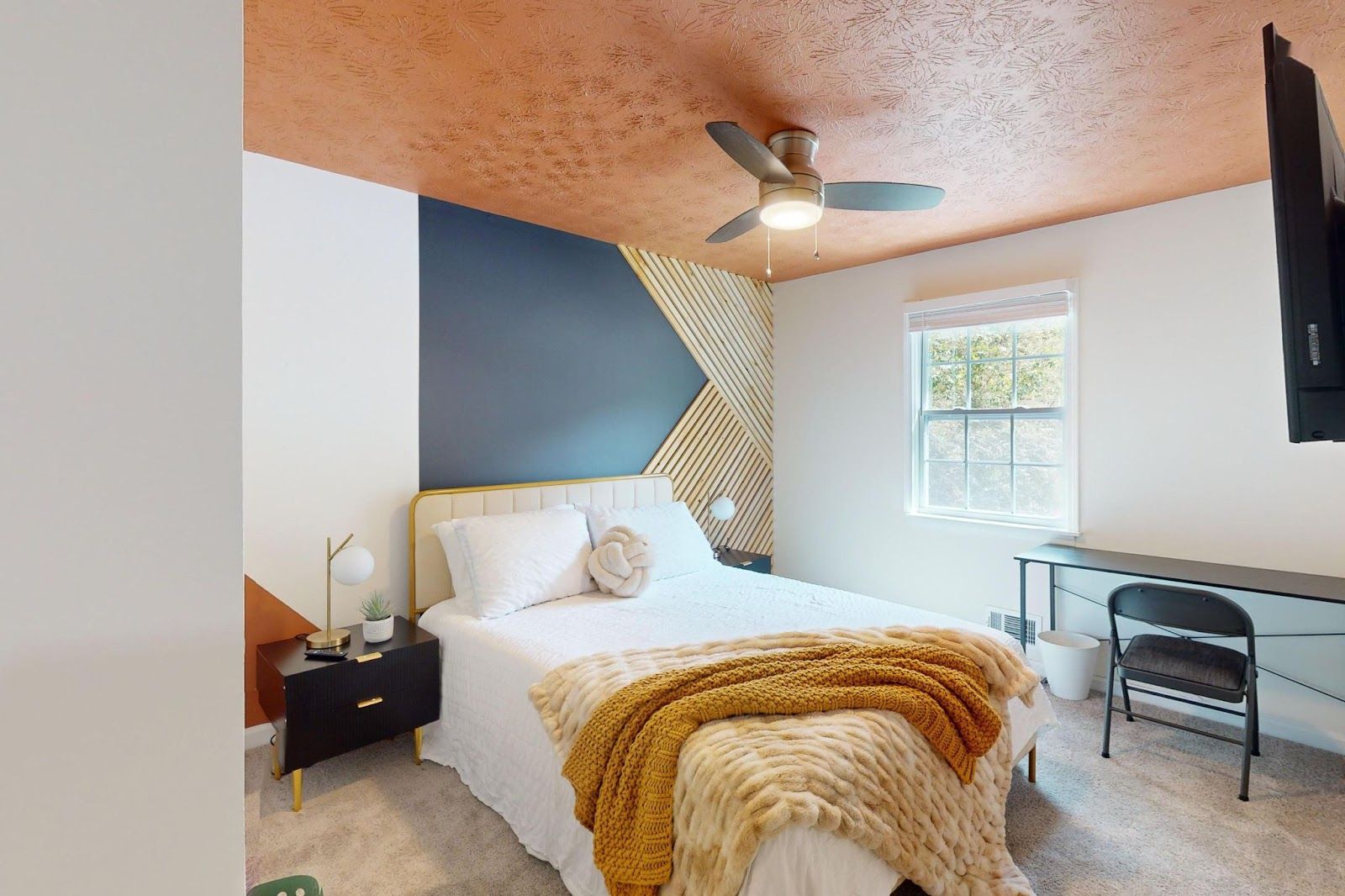
As you prepare to furnish and stage your property, log into your host account and start your PadSplit.com listing so your property appears to members as “Coming Soon.” This allows potential residents to receive an alert when your property goes live, which can improve your booking rate.
For a complete list of furnishing necessities, refer to the How to Build a Scope of Work for Your PadSplit Property page noted above. On a general room-by-room basis, PadSplit recommends the following essentials:
- Kitchens: Kitchens should include a refrigerator, oven or stove, microwave, and a prominent fire extinguisher. Kitchens or dining areas should include a table and chairs.
- Bedrooms: Each bedroom should feature a full-size bed (technically, twin beds are allowed, but full or queen beds are preferred) with a mattress and a built-in closet or dresser/armoire. An end table and lamp will also complement the room. Some hosts prefer to add televisions and mini-fridges, which can boost your occupancy rate (and your bottom line). Desks and chairs are also extremely common due to the number of members who work remotely. Ceiling fans are an added plus and preferred by members.
- Bathrooms: Although some PadSplit properties offer private bathrooms (known as en-suites), most are shared. Bathrooms should have locks and feature showers with curtains or doors. Vents or windows are required to release moisture.
- Common areas: PadSplit suggests minimizing shared spaces, such as living rooms or dens, to avoid conflicts over use. Such areas should be furnished minimally and intentionally with simple seating while steering clear of communal storage like shelving.
At the same time, common areas can improve the community that your residents create in the home as they spend time together, which can improve morale and tenure.
Equip the space with the right items (without overdoing it)
PadSplit also recommends a few upgrades that pay for themselves fast: energy-efficient appliances, smart thermostats, LED bulbs, and water-efficient showerheads and faucets. You’ll thank us the first time your utility bill arrives.
Beyond the basics, furnishing a PadSplit room is really about hitting the sweet spot between bare minimum and overkill—and knowing the difference.
The minimum covers what members need to function: a working microwave, a coffee maker, and a toaster. These aren’t luxuries—they’re expected. Skipping them feels like a red flag to prospective members and can hurt your reviews.
The sweet spot is where you want to land. Add an air fryer, a reliable drip coffee maker, and a toaster oven, and members feel genuinely taken care of. These small additions cost little but signal that you’ve thought about their day-to-day life. That translates to better retention and stronger word-of-mouth.
Overspending is easier than you think. An espresso machine, a full cookware set, a knife block—these feel generous, but they get damaged, go missing, and rarely move the needle on what members actually decide to rent. Put that money toward better bedding, stronger Wi-Fi, or that smart thermostat instead.
A good rule of thumb: if a member would use it daily without thinking twice, it belongs. If it requires a tutorial or a cabinet full of accessories, skip it.
Now it’s time to furnish and stage your PadSplit property
You may not be Martha Stewart, but there are still ways to create a cozy setting that increases your bookings.
Opt for decorative artwork, whether it’s trendy or neutral. Unless you have an eye for design, stick to landscapes and classic prints.
Some hosts even add decorative wallpaper or paint accent walls, which PadSplit members love and are more likely to book. Feel free to have a little fun as you decorate–you don’t want rooms sitting empty because they’re overly bare and uninviting.
Assign team roles, list your property, and start cash flowing
Before you go live, tie up two things: your setup and your listing. On the dashboard, confirm your team roles and how you prefer to communicate. Then build out your property listing: photos, a home description, and anything worth highlighting about the neighborhood.
Your PadSplit requires multiple people in your team to operate and remain successful
Your team roles determine who has access to certain information and communications about your PadSplit property. They include:
- True owner: The person who actually owns the property.
- Operator: The person who manages the day-to-day operations for the property. This may be the owner or a property manager.
- Property superadmin: This individual can make changes to the property’s team and account, and can view and take action on any dashboard tasks.
- Property admin: This person can view and edit property details, but can’t make changes to the property’s team and account.
- Finance admin: This role can view and edit financial information for the property, but can’t view or edit management tasks.
- Management: This individual can access routine management functions but cannot view or edit the property’s financial data.
After the team roles are established, it’s time to complete your property listing. One of the keys to a compelling property listing that gets more views is a series of photos that highlight your home’s allure and amenities.
Property photos and listing details

Great photos are critical to bookings, and PadSplit urges hosts to hire a professional photographer. Many photographers also offer 3D tour options, which resonate with potential residents and drive occupancy. Since members can’t visit the homes before booking a room, 3D tours can build confidence and provide more insight into the layout and amenities.
While prospective residents often rely on photos when making booking decisions, the property listing descriptions are also important. Include information about in-demand property features, such as off-street parking, as well as localized details like public transit access and nearby grocery stores.
Once your listing is live, PadSplit will market the property to an extensive network of verified members actively seeking affordable housing in the region. Resident approval and payments are easily managed through your PadSplit dashboard.
PadSplit vs. traditional rentals: It’s just math
PadSplit delivers several advantages to real estate investors compared with traditional rentals, including:
- High demand: There is currently a housing gap of about 7 million residences for low-income individuals nationwide. PadSplit homes help satisfy the need for affordable housing in a growing number of markets.
- Low vacancy rates: PadSplit homes have an average occupancy rate above 80%. Many short-term rental properties like Airbnb average less than 50% occupancy.
- Minimal resident turnover: The average PadSplit resident tenure is nine months. Guest stays at short-term rentals are brief and are often capped by local laws or state ordinances.
- Strong revenue: PadSplit hosts can more than double their rental revenue through coliving. PadSplit properties average more than 30% higher returns compared to single-family and short-term rentals.
- Marketing power: PadSplit backs property owners with far-reaching advertising. Properties are marketed on Facebook, Google, and major housing sites to reach a diverse pool of qualified residents.
- Management ease: PadSplit makes it easy for property owners to manage their investments. PadSplit’s straightforward dashboard and resources are backed by a team of experts.
Investor success story: How one PadSplit property doubled its market rent

Peter Pasternack, an Atlanta-based real estate investor and star of the A&E series “Flip This House,” more than doubled his gross income after converting his duplex into a coliving property.
Peter previously rented his property through Airbnb. After experiencing property damage, rule violations, and payment issues, Peter decided to shift from the short-term rental platform to PadSplit.
Each side of the duplex took only one week to renovate for coliving. Peter reported that his monthly net income increased from $2,500 with Airbnb to $4,600 with PadSplit within a month.
“PadSplit is the future of rentals,” Peter proclaimed. Peter is not alone in this sentiment; many PadSplit hosts are enthusiastic about sharing their success stories.
Managing investment risk in coliving properties
No investment is without risk. Understanding and mitigating potential risks is critical to real estate investors’ long-term success.
Key concerns for investing in and operating coliving rental properties include:
- Occupancy management
- Regulatory compliance
- Financial planning
The following is a closer look at these risk factors and basic strategies for minimizing concerns.
Occupancy management
The high demand for affordable housing tends to drive high occupancy rates for PadSplit properties. But investors are advised to build their financial models based on conservative vacancy estimates that take market fluctuations into account.
Investors should routinely evaluate local market conditions to maintain competitive rental rates and uphold professional property-management standards, including prompt responses to maintenance requests.
Regulatory compliance
PadSplit properties are not typically subject to the same regulatory guidelines faced by short-term rentals in many areas. Still, it’s prudent to get a handle on any rental property and shared housing ordinances in your market.
Before acquiring a coliving property, research state and local housing regulations and zoning laws. Reach out to real estate attorneys with questions, and get in touch with other PadSplit investors in your market who can share their experiences.
Financial planning
Understand the costs of owning and maintaining a coliving rental property to create realistic revenue projections. Account for fixed and variable expenses.
Fixed costs include known expenses like property taxes, insurance, and property management fees; variable costs cover expenses that fluctuate, such as utilities, maintenance, and cleaning. Always maintain an emergency fund for unexpected repairs (it’s not a matter of if, but when).
Ready to earn 2.5x more with PadSplit? Let’s get started.
Don’t get left behind with dusty rentals that aren’t cash-flowing. Connect with PadSplit today to discuss financing options, access expert resources, and develop your investment strategy.


