Key insights:
- Airbnb and Vrbo are best for short trips and vacations
- Extended stay hotels work well for temporary assignments with no lease
- PadSplit is typically the most cost-effective option if you need somewhere to actually live, affordably and flexibly, for weeks or months, often 40 to 50% less than a traditional apartment.

You finally landed a great job in your dream city. You start in just two weeks, so you begin searching for a place to stay for a few months while you get settled.
At first, Airbnb seems like the obvious choice. Then you add up the nightly rate, cleaning fee, and service charges. Extended stay hotels seem convenient, but after several weeks, a small hotel room can start to feel cramped and uncomfortable. Vrbo has more space, but many listings are built for vacations and priced for groups.
Suddenly, finding flexible housing is more complicated than it should be.
That’s because the way people live and travel has changed. More people are relocating for work, working remotely, traveling as nurses or contractors, transitioning between apartments, or simply looking for a more affordable way to live.
The rental market is already moving away from a one-size-fits-all lease. In the U.S., nearly four in 10 tenants have an agreement other than a standard 12-month lease (U.S. Bureau of Labor Statistics, 2022).
Today, platforms like Airbnb and Vrbo serve millions of short-term travelers, while extended stay hotels cater to people needing temporary accommodations. At the same time, newer housing models like PadSplit are offering a different kind of solution: furnished rooms with flexible terms designed for longer stays and everyday affordability.
Each option serves a different kind of need, and the right choice depends on how long you plan to stay, what you can afford, and the kind of living experience you’re looking for.
Let’s compare all four by cost, flexibility, privacy, and overall living experience to help you figure out which rental platform makes the most sense for your situation, budget, and lifestyle.


What is Airbnb?
Airbnb is the most recognized name in short-term rentals. Founded in 2007, it offers everything from private rooms to entire homes for short stays.
Pros:
- Widely available, with over 9 million listings in over 220 countries and regions (Airbnb, 2026)
- Works well for solo trips and group getaways alike
- Can feel more home-like than a hotel
Cons:
- Fees (service fee, cleaning fee, pet fee) can add up quickly
- Prices fluctuate based on season and location, often spiking during peak travel times
- Long stays can get expensive
Best for:
- Vacation travelers
- Weekend trips
- Short-term relocations
What is VRBO?


Vrbo (Vacation Rentals by Owner) was founded in 1995 as the first vacation rental website. It specializes in whole-home rentals geared toward families and groups, and remains one of the most popular platforms in the category.
Pros
- Widely available, with over 2 million listings in 190 countries (Vrbo, 2026)
- Family-oriented and well-suited for groups
- Entire-home rentals offer more privacy
Cons:
- Usually pricier for solo travelers, since most listings are priced for groups
- Fewer options in urban areas, since most listings are in vacation destinations
- Like Airbnb, fees can add up quickly
Best for:
- Family vacations
- Group travel
- Beach or destination trips
What are extended stay hotels?

Extended stay hotels are apartment-style suites designed for stays longer than a week, a concept pioneered by residential developer Jack DeBoer in 1975. According to Lodging Magazine, these suites usually include kitchens, larger living spaces, and weekly housekeeping to accommodate longer-term living.
Pros:
- Consistent, predictable setup
- No lease required
- Utilities included in the room rate
- Typically no maximum stay
Cons:
- Can become expensive over time
- Rooms can feel institutional after a few weeks
- Smaller living space than what an Airbnb or Vrbo may offer
- Limited sense of community
Best for:
- Business travelers
- Workers on temporary assignments, such as travel nurses
- People needing simple, immediately available housing
What is PadSplit?
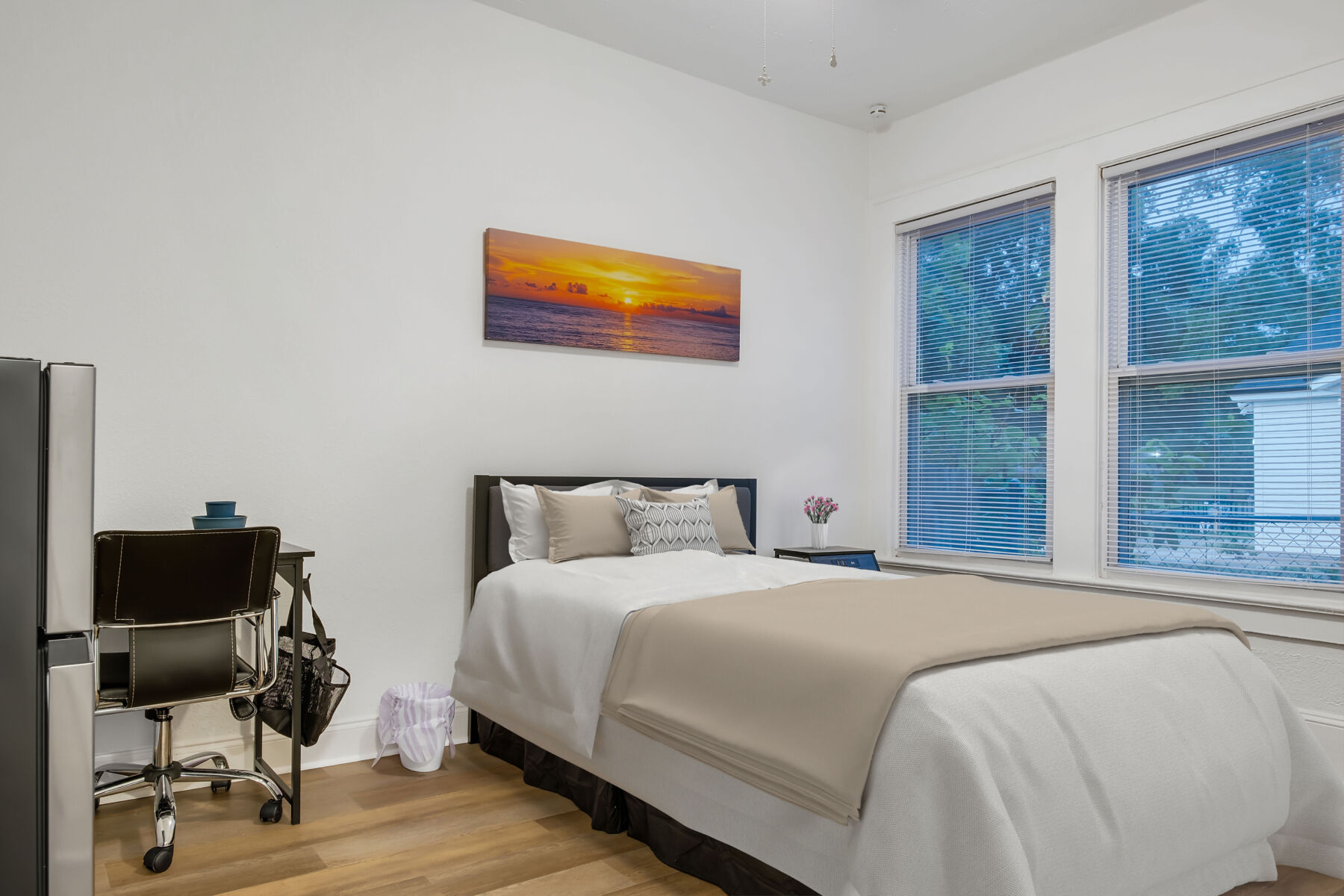
Unlike Airbnb and Vrbo, PadSplit is designed for everyday living instead of vacations. It meets a need rather than a want. PadSplit is a shared housing platform that offers furnished private rooms with flexible terms and lower upfront costs than traditional apartments. Utilities, Wi-Fi, and laundry access are often included, and members pay weekly or bi-weekly without signing long leases with large deposits. As of March 2026, PadSplit has housed over 70,000 people.
Pros:
- Rates often 40 to 50% lower than a traditional studio or one-bedroom apartment (PadSplit, 2023)
- Customizable payment structure: weekly or bi-weekly
- Utilities included
- Fast move-ins, often within 24 hours (PadSplit, 2026)
Cons:
- Not yet available in every city or market (currently 40 U.S. states with 30,000+ rooms as of March 2026)
- Common spaces are shared with housemates (think kitchens and living rooms)
- Amenities and house rules vary by home
- Less privacy than renting an entire apartment or house
Best for:
- People relocating for work
- Travel nurses and contractors
- Anyone looking for more affordable, flexible housing
- Renters who appreciate the built-in community of living with housemates

Which flexible housing option is the least expensive?

When comparing Airbnb, Vrbo, extended stay hotels, and PadSplit, the most affordable option depends on how long you plan to stay and what kind of living experience you need.
At first glance, Airbnb and Vrbo listings often look reasonably priced. But once you add service fees, cleaning fees, pet fees, and seasonal price increases, the final total can climb much higher than expected, especially for longer stays.
Extended stay hotels offer more predictable pricing since utilities, Wi-Fi, and housekeeping are usually included. However, paying hotel rates week after week adds up quickly, particularly in larger cities or high-demand areas. Typical extended stay hotel costs in the United States range from $1,500 to $4,000 a month (Welcome Suites, 2026).
PadSplit is structured differently because it’s designed for longer-term affordability, not for travel. Instead of nightly pricing, members typically pay weekly or bi-weekly for a furnished private room with utilities included. Many members use PadSplit specifically to reduce housing costs while relocating, saving money, or transitioning between apartments. On average, members save $317/month, which can help them pay off debt, buy a new car, or even save for a home.
Another major difference is upfront cost. With short-term rentals like Airbnb and Vrbo, your upfront cost depends on the property you’re booking. Sometimes there’s no initial fee, while other times you may pay the full amount at booking.
Extended stay hotels may require a deposit up front to cover incidentals such as property damages, often ranging from $100 to $250, though this depends on the hotel and your method of payment.
PadSplit generally has lower move-in costs and more flexible payment options, which can make it easier for people who need housing quickly. Applicants pay a $19 application fee, which is refunded if they’re not approved. Once they find a room, they pay their first week of rent plus a small move-in fee set by the host, usually around $100. The average cost to move into a PadSplit is just $258 (as of March 2026).
In short: Airbnb and Vrbo are strongest for short stays, extended stay hotels for temporary convenience, and PadSplit for those who want affordability and flexibility over the longer term.
Which housing option offers the most flexibility?
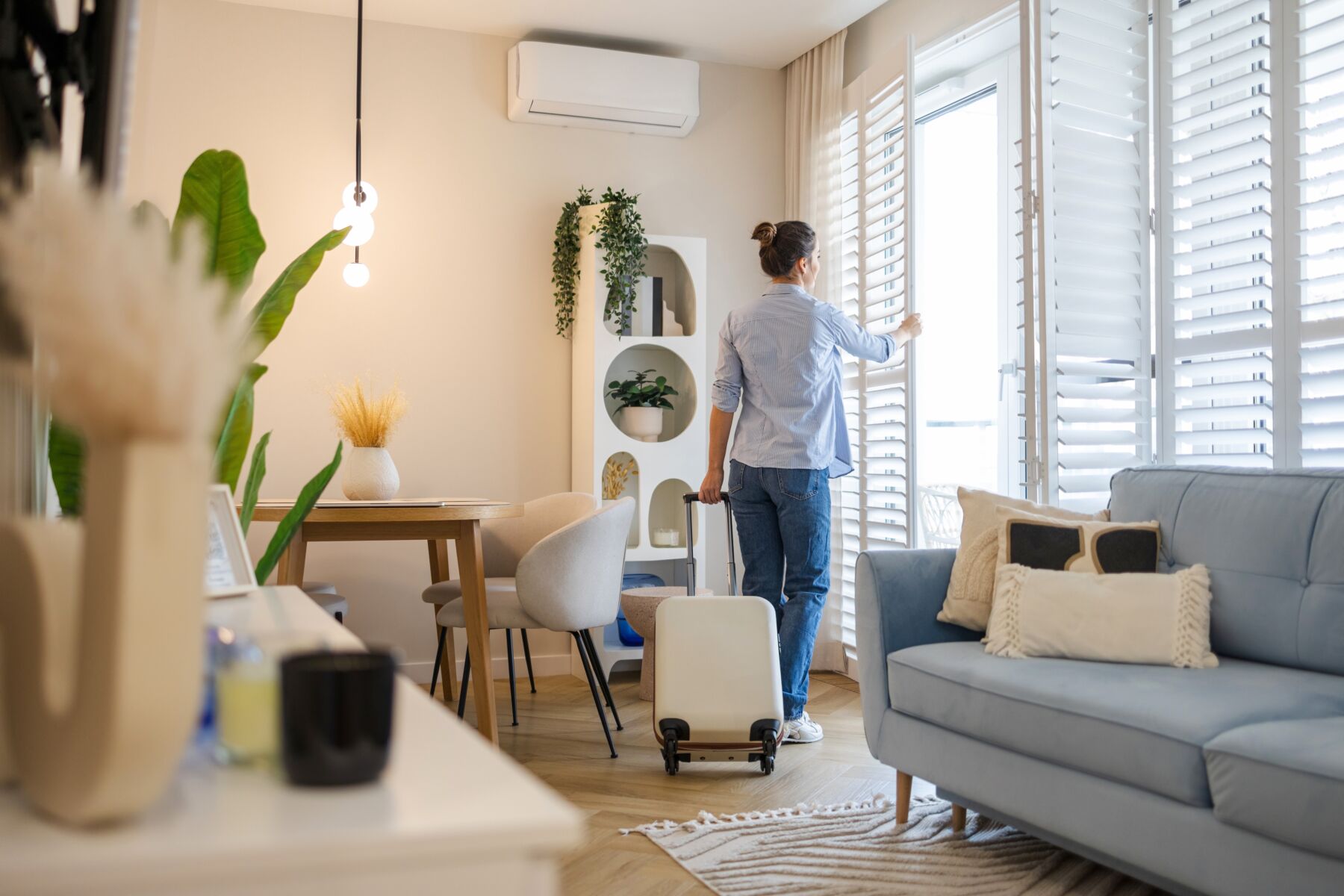
One of the biggest differences between these four options is their flexibility when it comes to booking length, payments, and lease commitments.
Airbnb and Vrbo are built primarily for short-term stays, which makes them flexible in some ways. Travelers can often book for just a few nights, a week, or even several months, depending on the listing. However, some properties have strict cancellation policies, minimum stay requirements, or seasonal pricing changes that make longer stays less practical or more expensive.
Extended stay hotels are also designed to be flexible; they typically don’t require leases or long-term commitments. Guests can often extend their stay week by week without signing contracts, making them useful for temporary assignments, relocations, or emergency housing situations. The tradeoff is that hotel pricing can become costly over time.
PadSplit falls somewhere between traditional renting and temporary housing. Instead of requiring a standard 12-month lease, PadSplit offers more flexible stay options with weekly or bi-weekly payments and the ability to choose what day you pay your rent.
It’s important to note that PadSplit’s minimum stay requirement is usually 12 weeks. You can add a flexibility upgrade for an extra $175 to move out earlier.
Flexibility is becoming increasingly important as more renters look for housing options that better match changing work schedules, relocation needs, and financial situations.
Which rental platform offers the best living experience?

While cost and flexibility are important, the day-to-day living experience can look very different depending on which housing option you choose.
Airbnb and Vrbo often provide the most privacy, especially when renting an entire home or apartment. Vrbo in particular focuses almost entirely on private whole-home rentals, making it popular with families and groups who want space and privacy.
Extended stay hotels offer a more traditional hotel experience. Private rooms and bathrooms come standard, but shared hotel-style amenities and smaller spaces can make longer stays feel repetitive. Extended stay hotels are designed for temporary convenience, not for everyday living.
PadSplit offers a different experience altogether. Members rent a private, furnished bedroom while sharing common areas (kitchen, bathrooms, and living room) with housemates. This means less privacy than a full home rental, but more personal space than many traditional roommate setups.
The shared living setup can also create a stronger sense of community, especially for people relocating to a new city or looking for a more social living environment. One PadSplit member, Kaitlyn in Atlanta, became close with her roommates after moving into a PadSplit on the heels of a divorce. Those unexpected friendships offered a support system when she needed one most and allowed her to avoid the isolation that can come with living alone in an apartment. Although they maintained busy schedules most days, they spent time together twice a week, watching movies, exploring local breweries, and hanging out in their PadSplit.
At the same time, shared spaces require more flexibility and consideration since house rules, cleanliness, and amenities can vary from home to home.
Ultimately, the best living experience depends on what matters most to you. Travelers prioritizing privacy may prefer Airbnb or Vrbo, while those focused on affordability and flexibility may find shared coliving options like PadSplit to be a better long-term fit, especially when it means living closer to work.
Who is each housing platform best for?
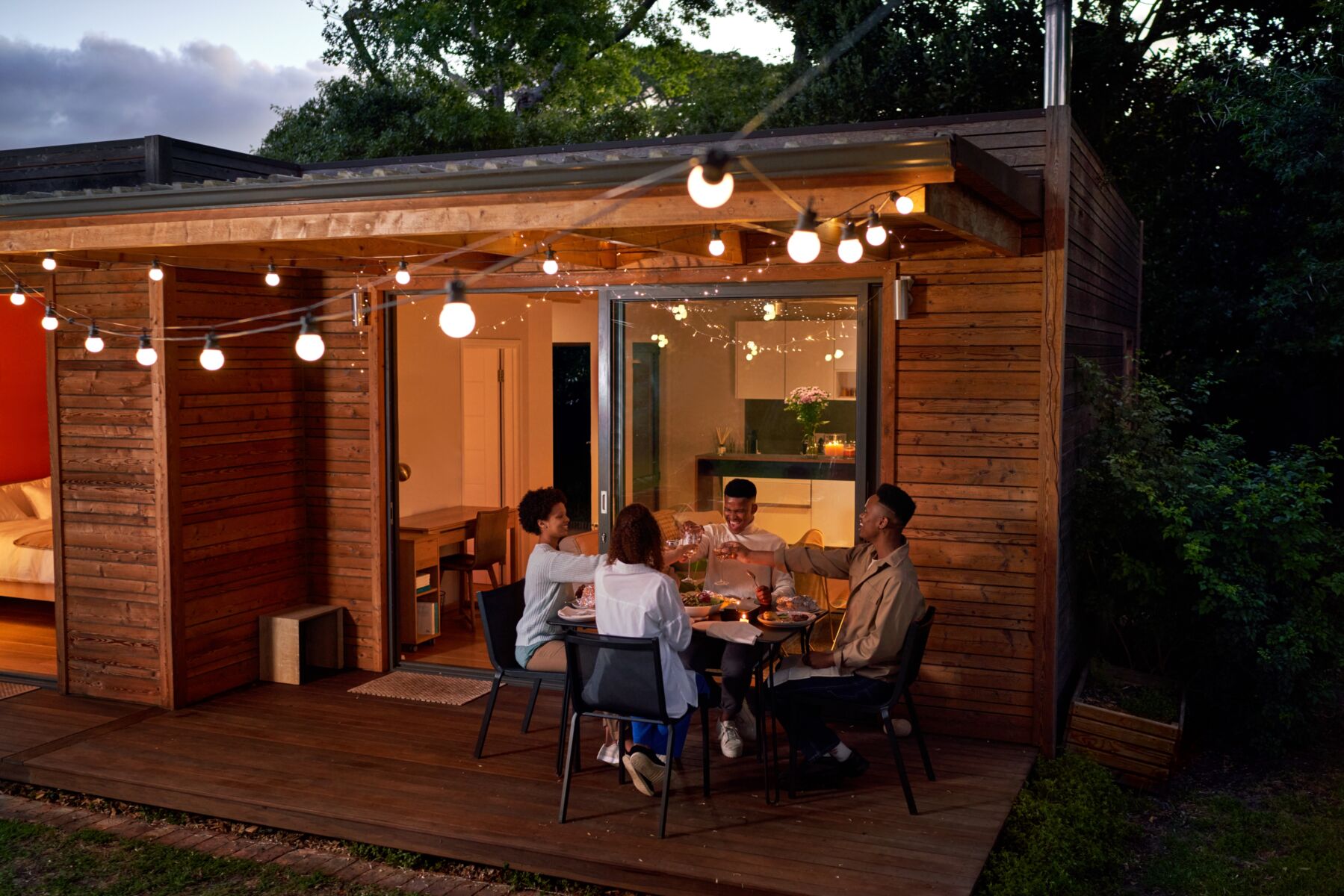
Each housing platform serves a different purpose, so the best choice depends on why you need a place to stay.
For vacations or weekend trips, Airbnb is often a strong choice. It offers a wide range of homes, apartments, and private rooms in popular destinations, and it can feel more personal than a hotel without needing a lot of space.
For family vacations or group travel, Vrbo may be the better fit. The focus on entire-home rentals means more space, privacy, and room for everyone, though solo travelers will likely find it expensive.
For business travel, temporary assignments, or immediate housing needs, extended stay hotels can be convenient. They usually do not require a lease, often include utilities and basic amenities, and can be easy to book quickly. Just don’t expect it to feel like home.
For people who need affordable, flexible housing for a longer stay, PadSplit may make the most sense. It’s designed for everyday living rather than vacation travel, with furnished private rooms, utilities included, and weekly or bi-weekly payment options. Whether you’re relocating for work, transitioning between apartments, or looking for a lower-cost alternative to a traditional lease, PadSplit offers something neither a hotel nor a vacation rental does: a place that’s actually built for living.
Flexible housing FAQs
Is PadSplit cheaper than Airbnb?
PadSplit is cheaper than Airbnb in many cases, especially for longer stays. Airbnb pricing can increase quickly once cleaning fees, service fees, pet fees, and seasonal pricing are added in. PadSplit is designed more for longer-term affordability, with furnished rooms, included utilities, and weekly or biweekly payment options.
Is Vrbo better than Airbnb for long stays?
Whether Vrbo or Airbnb is better for a long stay depends on what you need. Vrbo can work well for longer stays if you want a full home with more privacy and space, especially for families or groups. However, because Vrbo focuses on entire-home rentals, it is often more expensive for solo travelers or anyone trying to keep housing costs low.
Are extended stay hotels good for monthly housing?
Extended stay hotels can be a convenient option for monthly housing because they usually don’t require leases and often include utilities, Wi-Fi, and housekeeping. However, staying in a hotel room for several weeks or months can start to feel cramped, and costs can add up over time compared to other flexible housing options.
What is the best housing option for relocating for work?
The best housing option for relocating for work depends on your budget, timeline, and living preferences. Airbnb and Vrbo work for short-term relocations but get expensive quickly. Extended stay hotels offer useful flexibility but won’t feel like home, which can make it harder to be away for several months. For those relocating for several weeks or months, PadSplit offers furnished, flexible housing designed for everyday living, not just travel.
Does PadSplit offer housing for couples or families?
PadSplit is primarily designed for individuals, but some hosts allow couples and families in specific properties. Look for the “Allows multiple occupants” filter when browsing rooms on PadSplit.com. Keep in mind that booking a room for more than one person may cost more than booking for just yourself.
Do Airbnb, Vrbo, and PadSplit come furnished?
Most Airbnb and Vrbo rentals come fully furnished since they are designed for travelers. PadSplit rooms are always furnished, with every room including a bed frame and mattress, a nightstand, and clothing storage.
Should I choose Airbnb, PadSplit, or an extended stay hotel?
There is no single “best” option when it comes to flexible housing. The right choice depends on your budget, how long you plan to stay, how much privacy you want, and what kind of living experience you’re looking for.
Airbnb and Vrbo are generally best for short trips and travel. Extended stay hotels work well for temporary assignments. For people who are not just traveling but trying to live somewhere affordably, PadSplit fills a different gap than vacation rentals or hotels. Its flexible, furnished rooms offer an option that’s designed for everyday living rather than short-term travel. It accommodates renters in all seasons of life and is recommended by 95% of members.
If you’re comparing these options because you need something more flexible or affordable than a hotel or traditional rental, PadSplit is worth a closer look. You can browse rooms in your area at PadSplit.com and see whether it aligns with your budget, lifestyle, and housing goals.


