

Key Takeaways
- Nearly 15 million U.S. homes are vacant.
- The nationwide home vacancy rate is now over 10%.
- Homelessness is increasing as affordable housing remains out of reach for many Americans.
- Almost half of U.S. renters are cost-burdened, spending 30% or more of their income on rent.
- PadSplit can help property owners adopt a coliving plan to occupy empty homes, generate steady income, and meet affordable housing needs.
Approximately 450,000 Georgia homes are currently vacant, according to a recent report. About 81,000 of those properties are intended as seasonal homes or vacation rentals.
Meanwhile, thousands of Georgia residents are homeless as affordable housing availability remains limited. Georgia, however, is just one indicator of a growing national need for more affordable housing.
As the number of empty homes rises in Georgia and nationwide, many property owners are seeking new solutions to maximize their investments. Listing properties on PadSplit allows property owners to turn single-family homes into stable income while creating affordable housing for the workforce in their communities.
By the numbers: Vacant housing and homelessness in Georgia


The number of vacant homes in Georgia nearly reached the half-million mark in 2025. Almost 100,000 of those empty homes are believed to be seasonal-use residences or vacation properties.
The state’s homeless population also increased over the past year-plus. Many homeless and low-income residents report they are unable to keep pace with rising rents or find adequate affordable housing.
Georgia’s vacant homes and vacancy rate
Vacant homes in Georgia fluctuated between just under 450,000 and over 475,000 in 2025, according to quarterly data from the U.S. Census Bureau. Those numbers account for a vacancy rate between about 10% to 11% for 2025.
As noted above, approximately 81,000 of those properties are utilized on a seasonal basis or as vacation rentals that otherwise remain empty. While the use of these properties can contribute to tourism and local economies during portions of the year, seasonal and vacation homes also limit available year-round housing.
Homelessness in Georgia
Nearly 13,000 Georgia residents experience homelessness, according to the most recent report from the U.S. Department of Housing and Urban Development (HUD). A data analysis by the National Alliance to End Homelessness (NAEH) found that Georgia’s homeless population escalated by 21% between 2017 and 2023.
More than half of Georgia’s homeless residents are unsheltered, according to HUD. The NAEH’s 2025 State of Homelessness report listed lack of affordable housing as a key driver of homelessness.
PadSplit’s Georgia roots
These numbers resonate with PadSplit in part because the company was originally founded in Georgia in 2017. PadSplit was born from founder Atticus LeBlanc’s frustration with sluggish housing creation and a widening absence of affordable homes throughout the state.
But PadSplit also understands that the affordable housing crisis isn’t limited to Georgia. Today, PadSplit works with property owners in markets across the country to fill housing vacancies, optimize rental incomes, and satisfy the demand for affordable housing.
The big picture: Vacant housing and vacancy rates in the U.S.
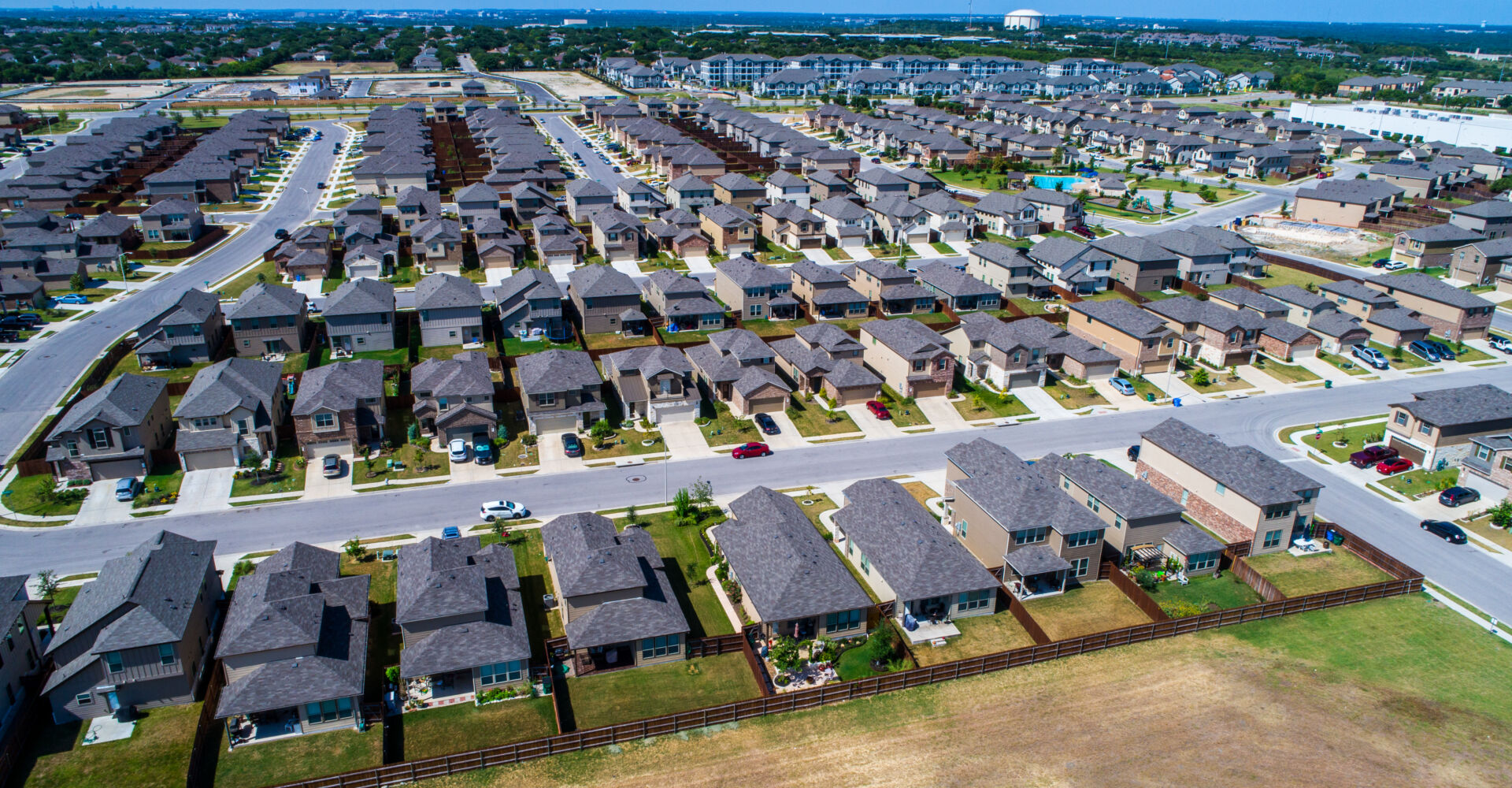
On a national level, home vacancy rates provide a broad view of the general housing market and the overall economy. Vacancy rates above 10% are generally considered high, while vacancy rates of 8% or less are considered low.
High numbers of vacant homes and lofty vacancy rates may point to a housing oversupply or declining housing demand. These factors can lead to diminished property values and are often indicators of a stagnant economy.
On the flip side, low home vacancy rates signal a tight housing market and a robust economy backed by strong consumer confidence. When home vacancy rates are low, property values may soar with the heightened demand for a limited supply of housing.
U.S. home vacancies and vacancy rates
The United States is home to almost 15 million vacant residences, according to a 2025 home vacancy rate study by the online lending marketplace LendingTree. The national home vacancy rate stands at 10.4%, based on LendingTree’s review of U.S. Census Bureau data.
LendingTree’s analysis identified 142.3 million total U.S. homes, of which it classified 14.9 million as vacant. Seasonal residences and vacation homes were included in the number of vacant units.
Highest vacancy rates by state
The 10 states with the highest vacancy rates, according to the study, are:
- Maine (21.09%)
- Vermont (20.06%)
- Alaska (18.24%)
- West Virginia (16.08%)
- Florida (15.19%)
- Mississippi (15.08%)
- Alabama (14.99%)
- Louisiana (14.84%)
- New Hampshire (14.45%)
- Arkansas (14%)
Those states collectively account for about 3.1 million vacant homes.
Lowest vacancy rates by state
The states with the lowest vacancy rates are:
- Washington (7.42%)
- Oregon (7.46%)
- Connecticut (7.54%)
- California (7.55%)
- New Jersey (7.88%)
- Nebraska (8.03%)
- Maryland (8.09%)
- Illinois (8.11%)
- Utah (8.23%)
- Massachusetts and Ohio (tie; 8.38%)
Those 11 states hold about 3.4 million unoccupied homes.
What high home vacancy rates mean for owners and renters
29 states have vacancy rates above 10%, based on the LendingTree study. Only five states have vacancy rates below 8%.
High home vacancy rates often trigger lower property values, reduced rental income, and other complications for property owners. For renters, elevated numbers of home vacancies can prompt more housing options and lower rents, though this is not always the case.
High home vacancy impacts on property owners
The adverse effects of high home vacancy rates and sustained home vacancies for property owners include, but are not limited to:
- Depreciating property values: High vacancy rates and long-term empty residences in a community are associated with a reduction in area home values.
- Lost rental revenue: Unoccupied vacation homes and other rental properties don’t generate income, which can affect owners’ abilities to afford the properties’ mortgages, taxes, maintenance costs, and other expenses.
- Potential tax sanctions: As the number of vacant residences grows, more municipalities and states are enacting or are considering vacancy taxes on properties that remain unoccupied for a specified time period.
- Insurance liability concerns: Many residential insurance providers will rescind coverage for properties that are vacant for more than 30 consecutive days.
High vacancy rates and lengthy home vacancies also pose security threats. Unoccupied homes are often targeted for theft and squatting.
High home vacancy impacts on renters
High home vacancy rates are theoretically advantageous for renters. They can spur expanded housing opportunities and lower rents.
But renters don’t always benefit from excessive residential vacancies. Property owners are often reluctant to significantly decrease rental rates because lower rents can diminish the property valuation or take away from the cash flow they use to pay property-related expenses.
While median rental rates have decreased nationally over the past two years, with higher vacancy rates, the decline has been minimal as inflation has risen. The average asking rental price in the 50 most populous metro areas in 2025 was down only 1.1% from the previous year, according to a recent CNBC report.
Conversely, the 2025 Consumer Price Index (CPI) for all items rose nearly 3% over 2024, per the U.S. Bureau of Labor Statistics (BLS). The CPI jump was driven largely by increases in gas, oil, electricity, healthcare, and food costs.
The ongoing affordable housing crisis
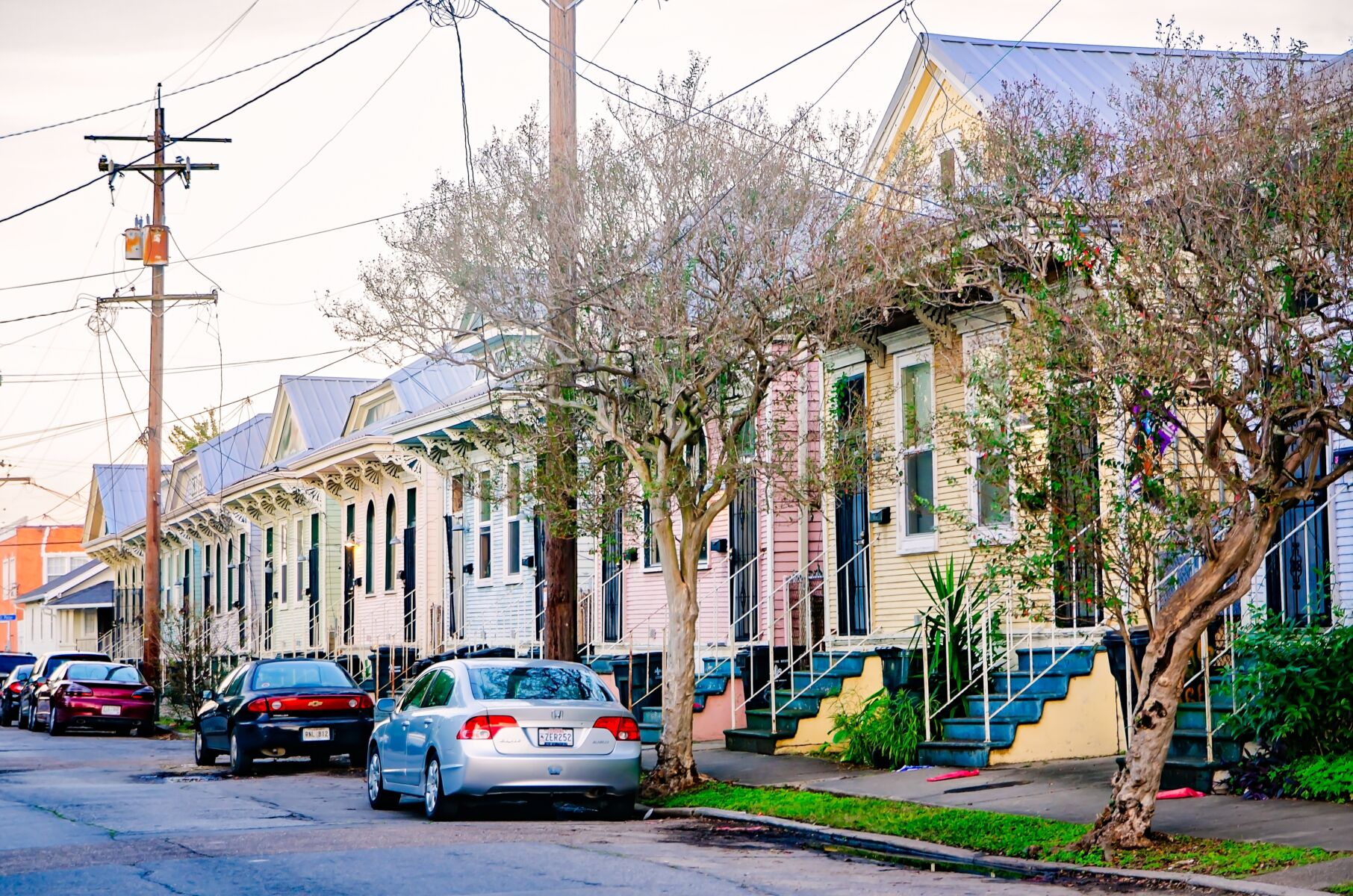
Even with widespread high home vacancy rates, the United States continues to face an affordable housing shortage.
There is a nationwide gap of about 7 million homes for low-income families, according to a 2025 report by the National Low Income Housing Coalition (NLIHC). Furthermore, the NLIHC reports that no state has an adequate supply of affordable housing for minimum-wage renters.
Housing costs, inflation, and income growth
One catalyst of the affordable housing crisis is that home prices and rental rates exceed inflation and wage growth.
Nearly half of all U.S. renters are cost-burdened, which means they spend more than 30% of their income on housing. About one-quarter of U.S. renters spend 50% or more of their income on housing.
A NerdWallet analysis of the January 2026 CPI report found that the shelter index, which includes rent and insurance costs, grew 3% over 2025. This surpassed inflation estimates by more than .5% and eclipsed minor declines in rental rates.
As housing costs and inflation have climbed, incomes have lagged. The median hourly earnings for private-sector workers rose just 1.2% from January 2025 to January 2026, according to the BLS.
Lack of affordable housing fuels homelessness
The dearth of affordable housing is also a factor in surging homelessness.
While the federal government has not yet released statistics based on 2025’s nationwide “point in time” homeless counts, homelessness skyrocketed to record levels in 2024. The number of people who experienced homelessness in 2024 was 771,480, a nearly 20% jump over 2023.
States with higher average rents also tend to have higher homelessness rates, according to the NAEH’s aforementioned State of Homelessness report. The NAEH also notes that the number of people experiencing first-time homelessness rose 23% between 2019 and 2024.
Contrary to popular perception, many homeless people have jobs. About half of those experiencing homelessness are employed, according to the United States Interagency Council on Homelessness; they simply cannot afford the high cost of housing.
Coliving: A cooperative solution to affordable housing

A housing supply shortage is frequently cited as a cause of both homelessness and the affordable housing gap. Likewise, the creation of more housing is often invoked as an answer.
However, new construction is expensive and time-consuming, and it’s restrained by labor resources, material availability and costs, and financing. In the meantime, millions of existing homes are currently vacant or underused.
The U.S. may not be able to build its way out of the affordable housing crisis, but there are creative solutions that benefit property owners, residents, and communities. One is the coliving approach facilitated by PadSplit.
How coliving works with PadSplit
PadSplit helps property owners convert unused or underutilized spaces into additional bedrooms. Residents have private rooms with shared access to kitchens, living rooms, and other common areas.
This strategy increases a home’s earning potential for hosts while lowering the per-room rental cost for residents. It also has an immediate, positive effect on the affordable housing gap in communities.
PadSplit hosts can earn 2.5 times more through the coliving method than by leasing a home as a single-family rental or short-term rental. Residents gain access to affordable housing at half the cost of a one-bedroom apartment, allowing them to stay in proximity to their places of employment.
The advantages of hosting with PadSplit
PadSplit allows property owners to achieve:
- Steady income and 2.5X more revenue than single-family rentals or short-term rentals
- High occupancy rates and minimal resident turnover
- Access to a diverse pool of prospective residents who have been thoroughly screened
- Easy-to-use screening and management tools
- Expansive property advertising that includes Facebook, Google, and major housing sites
As the affordable housing gap broadens and many working Americans face homelessness, PadSplit’s coliving formula also empowers property owners to build stronger local communities by fostering a sense of home, community, and belonging among residents.
Learn more about hosting with PadSplit
For additional information about how PadSplit can help you boost your property’s profitability while mitigating the demand for affordable housing in your area, check out our:
- Earnings calculator: See a multi-year earnings forecast based on your property details.
- Market insights: Evaluate occupancy rates, room pricing, and other particulars by ZIP code.
- Host success stories: Be inspired by other property owners who have increased their incomes while furnishing much-needed affordable housing.
If you still have questions or you’re ready to take the next step, connect with PadSplit today.


