At one point or another, you’ve probably felt it. That isolating ache of being by yourself. You might turn to social media to numb the feeling. Over time, it can start to impact your mental health.
Across the United States, loneliness is rising. In 2023, the U.S. Surgeon General declared loneliness a public health epidemic. More recently, a 2025 survey from AARP found that 40% of adults over 45 report feeling lonely. The way we live, work, and interact has quietly shifted, making connection harder to build and easier to lose.
If you find yourself feeling lonely, you’re far from alone, but there are practical ways to find your community again and get the support you need to thrive in every stage of life. Shared housing is on the rise as more people return to living together and finding instant connection within the four walls of their homes.
Why 33% of us feel lonely

While technology has made it easier than ever to stay in touch, it doesn’t replicate the impact of in-person connection. 59% of AARP survey respondents noted that communicating online actually makes them feel lonelier.
Americans are also spending less time with others. An October 2024 study found that 62% of survey respondents believe increased work hours and demands are leading to loneliness. Because low-income earners are most likely to work extra hours or additional jobs, it makes sense that those earning $25,000 or less a year are also more likely to be lonely.
Living alone is another growing risk factor. According to a November 2025 study, more Americans than ever are living alone—double the amount that were in 1960. And as the cost of living continues to rise, that number is only expected to grow, deepening an already serious public health crisis.

Connection itself has also become harder to initiate. According to the AARP study, many people who feel lonely don’t simply lack opportunity—they face internal barriers to reaching out. Some report lacking the confidence or motivation to connect, while others fear rejection. Even when the desire for connection is there, taking that first step can feel overwhelming.
Certain life changes make loneliness harder to escape
Loneliness often isn’t gradual. More commonly, it follows a major life change, and some are bigger triggers than others.
1. Losing a partner (widowhood)
The loneliest transition later in life isn’t retirement. It’s losing the person you built your whole life around. Widowhood is one of the strongest predictors of moving from “not lonely” to “lonely” in mid or later life.
2. Divorce or separation
Separating from your life partner is isolating on its own. But it rarely stops there—the friendships and routines you shared as a couple often disappear in the fallout too. It’s no surprise divorce is a significant risk factor for loneliness.
3. Major moves or relocating
Moving somewhere new means starting from scratch in more ways than one. Your routines change, your support system isn’t around the corner anymore, and the friendships that once felt effortless suddenly take more effort to maintain. Whether you’re chasing a new job or a fresh start, the excitement of a new place can quickly give way to the quiet reality of not knowing anyone.
4. Job loss or retirement
Work gives us more than a paycheck. It gives us structure, purpose, and a built-in social circle. When you lose your job or retire, all three can disappear overnight. Coupled with fewer reasons to leave the house and a major change in your routine, it’s no wonder 57% of nonworking adults report feeling lonely.
If any of these sound familiar, you’re not alone, and it doesn’t have to stay this way.
Finding community is easier than you think

The good news is that loneliness, no matter the cause, is something you can actively address.
From reconnecting with old friends, to joining a club or volunteering in your community, connection is more accessible than it might feel in your loneliest moments.
The first step is starting. AARP’s 2025 study cites that 36% of lonely adults don’t have the confidence or motivation to expand their social circles, while 33% fear rejection. Consider starting small—show up to a book club, even if you don’t stick around to talk afterwards. Or reach out to an old friend and restart the conversation.
Those small moments of connection add up. What’s even more powerful is when those connections are naturally built into your daily life—right where you live.
Where you live matters more than you think
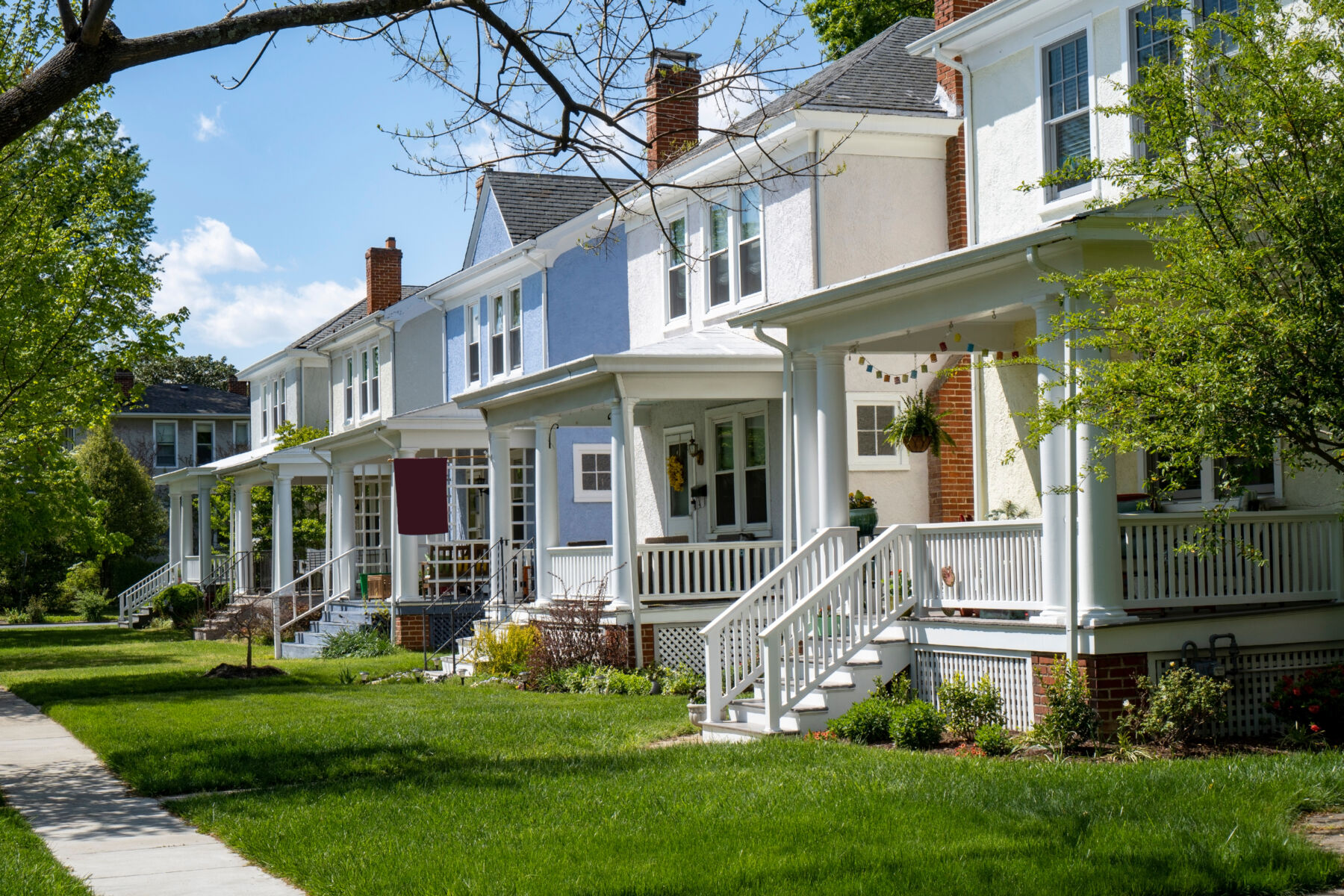
Most people don’t think of their home as a solution to loneliness. But research suggests it might be one of the most powerful ones.
According to a HUD survey from June 2021, people living in shared housing “report emotional support and companionship as the best aspects about living in a shared house.” And while having your own private space still matters, the built-in community that comes with shared housing is invaluable for building the everyday connections that combat loneliness.
The benefits go beyond just having someone to talk to. The mental and social stimulation of living with others can also reduce health risks related to isolation, including memory loss, depression, and stress.
For adults navigating loneliness or major life transitions, shared housing offers a ready-made community that takes the pressure off of making new connections.

How PadSplit can help you build community and save money


Shared housing might sound unfamiliar, but chances are you’ve already lived it. A college dorm, an apartment split with friends—these are experiences that most people around the world share at some point. Now, a more intentional version of that arrangement (coliving) is gaining momentum across the U.S., following the lead of countries where it’s long been a way of life.
PadSplit is a shared housing platform connecting renters with a fully furnished, flexible room at an affordable price. The rooms are 40-50% lower than traditional apartments, with no security deposits or long-term leases required. The average PadSplit resident saves $317/month, making it easier to get stable and focus on building the life—and community—you want.
The average PadSplit property has around six bedrooms, though some have as many as eight to 10 or as few as one to two. Residents share common areas, such as kitchens and bathrooms.
With PadSplit, you can choose how social you’d like to be. Some members are more introverted and enjoy the comfort of their private room, while others value building real friendships with their roommates. There’s no pressure either way—but if you’re looking to combat loneliness, a little intentionality goes a long way.

One of the easiest ways to connect with your roommates in a PadSplit is by hosting a house dinner. PadSplit resident Sunshine hosts a weekly Sunday dinner for her PadSplit, and says, “We’re able to really build something—it’s just more meaningful for me.”
Beyond dinners, even small gestures like leaving the door to your room open or communicating in your house chat go a long way in turning roommates into friends.
After losing everything, Toya found community with PadSplit
PadSplit member Toya had been living with her husband of 14 years in Long Island, New York when he suddenly passed away at work in 2021.
In the wake of this major loss, Toya faced an illegal eviction. With nowhere else to turn, she was forced to leave her home.
Facing the very real possibility of a shelter, Toya made one last search for alternatives. That’s when she found PadSplit.
She immediately signed up, and within a week, was moving across the country to Houston, TX. PadSplit didn’t just give her an affordable, stable place to live, though, it also provided her with a genuine community. “It felt like a little family. Even though we were all from different walks of life and going through our own challenges, the home was welcoming for everyone.”
In the aftermath of not one, but three major life changes—loss, displacement, and relocation—PadSplit gave Toya true community and helped her feel less alone in her journey.
Fight loneliness and find your people

Finding your community as an adult is harder than it used to be, but it’s far from impossible.
The built-in community shared housing like PadSplit offers is especially beneficial for those who have just moved to a new city, feel disconnected from close friendships, or have just experienced a major life change. Whether you’re introverted or extroverted, it offers the chance for connection without the added pressure.
While shared housing won’t solve the loneliness epidemic, it’s one of the most powerful and affordable solutions to the challenge of building community as an adult.
Ready to find your people, move in, and move up? Visit padsplit.com to book an affordable, secure room and move in as soon as tomorrow.


