

Saving for a house while renting can feel like two goals working against each other. You need a place to live today, but every dollar spent on housing is a dollar you can’t put toward a future home.
Even so, saving for a home while renting is possible. It starts with figuring out how you can make a little room in your budget.
One way to do that is to lower your housing costs. Renting a room in a shared home can reduce what you spend each month, giving you more money to put toward a down payment.
PadSplit members save an average of $317 per month on housing costs. That might not sound like a down payment on its own, but see what happens when you save it consistently:
What could $317 in monthly savings add up to?
PadSplit members save an average of $317 per month on housing costs.
After 12 months: $317 × 12 = $3,804
After 24 months: $317 × 24 = $7,608
On a $250,000 home, $7,608 is already more than a 3% down payment ($7,500).
Individual savings vary based on previous housing costs, PadSplit rate, and other expenses.
This article is for informational purposes and isn’t financial advice.
Can you save for a house while renting a room?


Yes. Renting a room can lower your monthly housing costs, giving you more room in your budget to save toward a future home. You don’t have to wait until you’re earning more or living rent-free to start saving for a house.
Since housing is often one of your biggest monthly expenses, lowering that cost can make a meaningful difference over time. If buying a home is your goal, you can put some or all of the money you save on housing toward your down payment.
Your actual savings will depend on your previous housing costs, your PadSplit rate, and other expenses. Use the PadSplit savings calculator to estimate how much you could save based on your own situation.
How much do you need to save for a house?
There’s no single down payment amount that works for everyone.
In 2025, the median down payment for first-time homebuyers was 10% of the home’s purchase price, according to the National Association of REALTORS®. But that doesn’t mean you always need to make a 10% or 20% down payment to buy a home.
Some conventional mortgages may allow down payments as low as 3%, while FHA loans may allow eligible borrowers to put down 3.5%.
Here’s what those percentages look like at a few different home prices:
HTML:What different down payments look like by home price
| Home Price | 3% Down | 10% Down | 20% Down |
|---|---|---|---|
| $200,000 | $6,000 | $20,000 | $40,000 |
| $250,000 | $7,500 | $25,000 | $50,000 |
| $300,000 | $9,000 | $30,000 | $60,000 |
A larger down payment can reduce how much you need to borrow. Putting less than 20% down might also mean paying mortgage insurance, depending on the type of mortgage you choose.
Your down payment isn’t the only cash you’ll need. Remember to plan for closing costs, moving expenses, and money for unexpected costs after you move in.
Why coliving can help you save for a house
A lot of advice about saving for a house comes down to the same idea: spend less on housing.
But moving somewhere cheaper isn’t always simple. And getting a roommate doesn’t automatically solve costs like furniture, utilities, deposits, or long-term lease commitments.
That’s where PadSplit works differently.
PadSplit offers private, furnished rooms in shared homes. Membership also includes:
- Utilities: No need to set up and pay separate monthly utility bills.
- No security deposit: You don’t have to tie up hundreds or thousands of dollars before moving in.
- Furnished rooms: You can avoid buying a bed and other basic furniture for your room.
- Flexible terms: You don’t have to commit to a traditional year-long lease.
Each housing expense you reduce can create a little more room to save for your other goals.
If buying a home is one of those goals, these six steps can help you build a realistic savings plan.
Six steps to save for a down payment while renting
Step 1: Set your savings goal and timeline
Start by setting a down payment goal.
Research home prices in the area where you hope to buy. Then, decide how much you want to save for a down payment.
For example, if you’re looking at a $250,000 home, a 10% down payment would be $25,000. A 3% down payment would be $7,500.
Next, divide your goal by the number of months you plan to save.
A $10,000 goal could look like this:
How long could it take to save $10,000?
| Monthly Savings | Approx. Time to $10,000 |
|---|---|
| $317 | 32 months |
| $500 | 20 months |
| $750 | 14 months |
Your timeline may change, and that’s okay. What matters most is turning your goal of buying a house into a specific savings target you can track.
Step 2: Put your housing savings to work
Lower rent only helps you reach your goal if you’re strategic with the money you save. Compare your current housing costs with what you paid before, including rent, utilities, Wi-Fi, and other regular expenses.
Then, consider moving some or all of the difference into a separate savings account. Setting up an automatic transfer each payday can make saving more consistent. For example, saving $317 per month would put $3,804 toward your goal in one year.
Step 3: Build a simple budget you can stick with
A budget can help you see how much room you actually have to save each month. You don’t need a complicated spreadsheet or a perfect budget. You just need to know where your money is going.
One common starting point is the 50/30/20 approach:
- 50% of your income goes toward needs.
- 30% goes toward wants.
- 20% goes toward savings and financial goals.
Those percentages are guidelines, not rules. If lower housing costs give you more flexibility, you may decide to put more than 20% toward your house fund.
Look at your biggest expenses first. Cutting one large monthly cost can make a bigger difference than cutting back on every small purchase.
Choose a budgeting method that feels realistic and manageable for you. That might be a budgeting app like YNAB, a simple spreadsheet, or the budgeting tools available through your bank. The method matters less than having a clear picture of what’s coming in, what’s going out, and how much you can consistently save.
Step 4: Pay down high-interest debt and build your credit
Your down payment isn’t the only part of your finances that matters when preparing to buy a home.
Mortgage lenders also look at factors such as your credit history and debt-to-income ratio. Your debt-to-income ratio compares your monthly debt payments with your monthly income.
If you have high-interest debt, consider making a plan to reduce it while you save. Depending on your situation, paying down debt can also free up more money for your future housing costs.
It’s also a good time to review your credit reports and check for errors. You can request free copies of your credit reports through AnnualCreditReport.com, the federally authorized source for free credit reports.
Step 5: Keep an emergency fund separate
Buying a home shouldn’t require draining every dollar you’ve saved. Keep some emergency savings separate from your down payment fund to help cover unexpected expenses without dipping into your house fund. The amount you need will depend on your situation, but even a small cushion can help protect the progress you’ve made.
Step 6: Explore first-time homebuyer programs
You may not need a 20% down payment to buy your first home.
Depending on your finances and eligibility, you might have other options, including:
- Conventional mortgages with down payments as low as 3%
- FHA loans with down payments as low as 3.5%
- State and local down payment assistance programs
- Programs for veterans, servicemembers, and some rural homebuyers
- Other assistance for eligible first-time buyers
A HUD-approved housing counselor can also help you understand your options.
It’s important not to choose a mortgage only based on the down payment. Make sure you also compare interest rates, mortgage insurance, fees, monthly payments, and total borrowing costs.
One PadSplit member saved more than $1,000 a month and bought a home
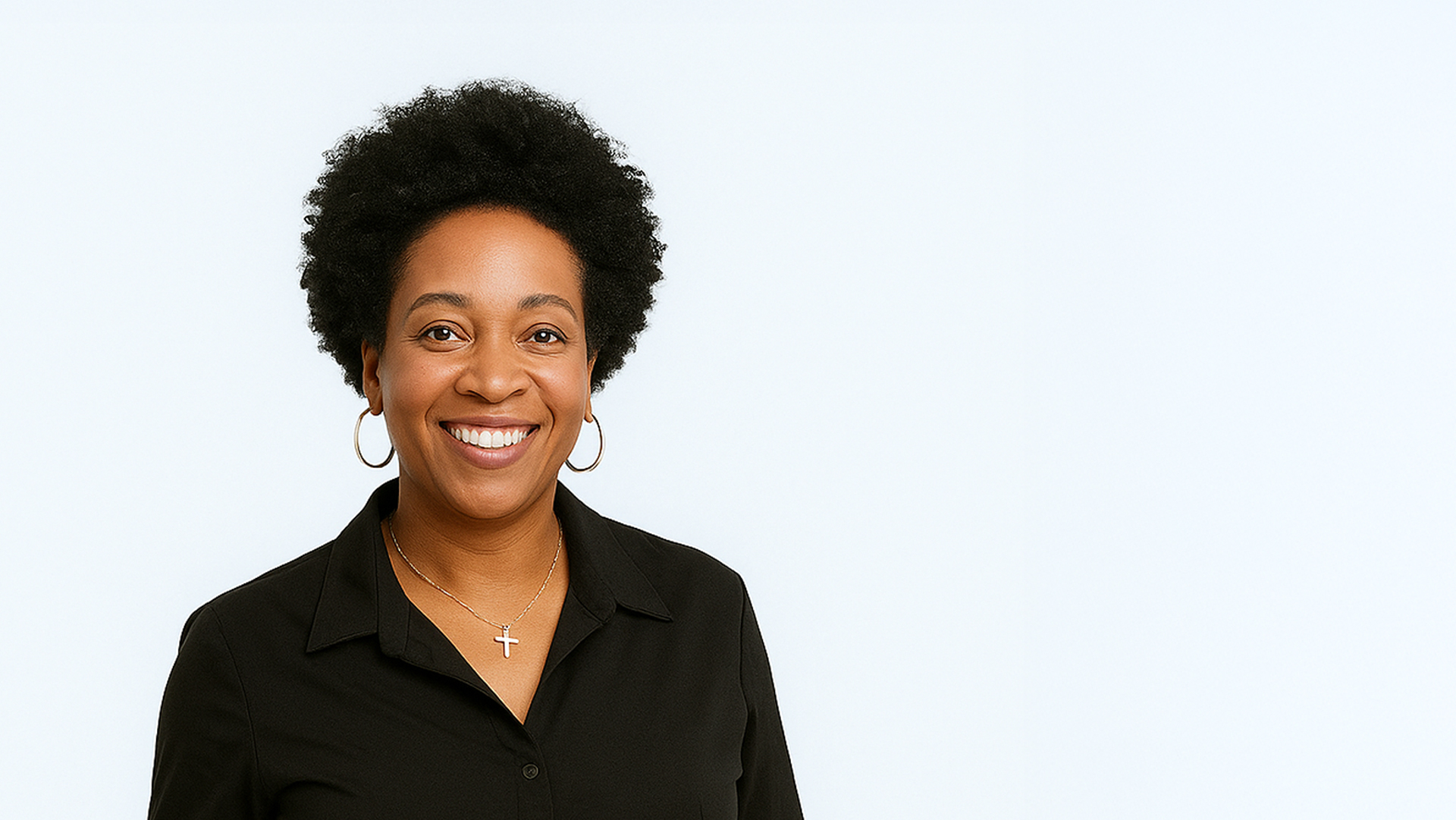
For PadSplit member Angela, lowering her housing costs wasn’t just about spending less. It helped her move toward homeownership.
Angela relocated from Atlanta to Houston for a new job. She wanted an affordable place near work without immediately committing to a long-term lease.
At first, she stayed in an extended-stay hotel. It gave her flexibility, but it cost nearly $2,000 per month.
Then, a friend told her about PadSplit.
Angela was skeptical about sharing a home with people she didn’t know. But she decided to try it. She found a furnished room with flexible terms, utilities included, and no security deposit.
The biggest difference was financial.
“I was easily saving over $1,000 per month.”
Angela said her reduced housing costs, along with savings from amenities such as an in-home washer and dryer, helped her grow her savings faster.
After four months living in a PadSplit, she was able to put a down payment on a new-construction home.
“I was able to grow my savings a lot faster by living in PadSplit, which allowed me to put a down payment on my new construction home much quicker than I could have otherwise.”
Angela’s savings were specific to her situation, and individual results will vary. But her experience shows what can happen when lower housing costs are connected to a clear financial goal.
For Angela, PadSplit wasn’t the destination. It was a stepping stone to where she wanted to go next.
Before you start house hunting


Saving the down payment for a home is a major milestone, but it’s only one part of preparing to buy.
Before you begin seriously shopping for a home, consider this checklist:
- Set a target home price.
- Estimate your down payment and closing costs.
- Keep emergency savings separate.
- Review your credit reports.
- Understand your debt-to-income ratio.
- Research first-time homebuyer and down payment assistance programs.
- Compare mortgage options and total costs.
- Talk with a HUD-approved housing counselor if you need guidance.
- Consider mortgage preapproval when you’re ready to shop.
Remember, you don’t have to complete everything at once. Homeownership is a long-term goal for many people, and the best timeline is the one that fits your finances.
Frequently asked questions about saving for a house while renting
Can I save for a house while renting a room?
Yes. Renting a room can help you save for a house by lowering your monthly housing costs and giving you more money to put toward a down payment.
The key is intentionally putting the money you save toward your down payment instead of using it for other expenses.
How much should I save each month for a down payment?
The amount you should save each month depends on your down payment goal and how soon you want to reach it. Divide your total savings goal by the number of months in your timeline. If you want to save $10,000 in 24 months, for example, you’d need to save about $417 per month. Choose a target that fits your budget while leaving room for emergency savings.
How long does it take to save for a down payment on a house?
There’s no set timeline for saving for a down payment. How long it takes depends on your savings goal and how much you can save each month. Saving $500 per month would build a $10,000 fund in 20 months. Increasing your savings or choosing a smaller down payment target can shorten the timeline.
How much do first-time homebuyers usually put down?
The median down payment for first-time buyers in 2025 was 10% of the home price, according to the National Association of REALTORS®. However, that doesn’t mean every first-time buyer needs 10%. Some conventional loans allow down payments as low as 3%, while FHA loans can allow eligible borrowers to put down 3.5%.
Should I pay off debt or save for a down payment first?
Whether you should pay off debt or save for a down payment first depends on your financial situation. High-interest debt can cost you more over time and may affect your debt-to-income ratio, while buying a home requires money for a down payment and other upfront costs. Consider your interest rates, minimum payments, emergency savings, and homebuying timeline when deciding how to prioritize both goals.
Are there programs that help first-time buyers with a down payment?
Yes. Down payment assistance programs may help eligible first-time homebuyers cover some of their down payment or closing costs. State and local governments and nonprofit organizations may offer these programs. A HUD-approved housing counselor can help you identify programs in your area and understand your options.
Your housing today can help you prepare for what’s next
Saving for a house takes time. For many people, there’s no shortcut around that. But there are ways to make the money you’re already earning work harder toward your goal.
Reducing your housing costs can give you more room to save. PadSplit offers furnished rooms with utilities included, no security deposit, and flexible terms, helping members lower housing costs while they save toward goals like homeownership.
See how much you could save with PadSplit’s savings calculator, or find a room and start building toward your next goal.


